

Local Tastes
A Taste of the Irish Riviera
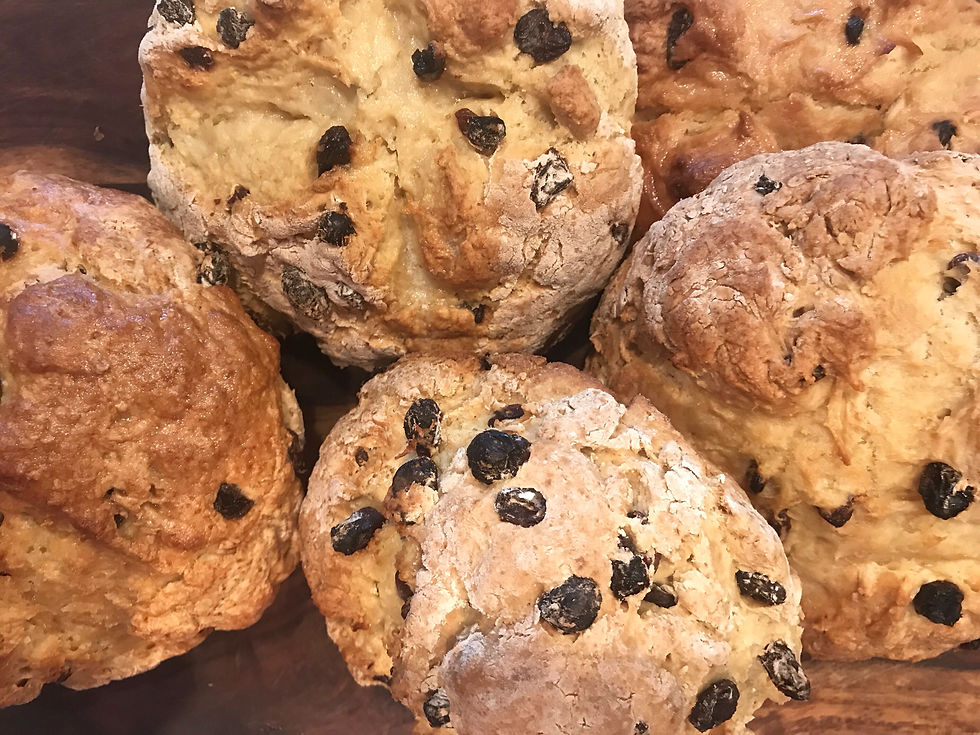
Rooted in 19th-century necessity, Irish soda bread remains a versatile canvas for bakers. While the science of the rise is fixed, the real craft lies in the personal tweaks that turn a historic staple into a signature loaf.
My husband was born and raised in Sea Girt, and when we moved here to give our children a taste of a small-town childhood, I jumped into the local cooking contests that I still enjoy today. These events have created lasting friendships and wonderful memories for those of us who pour love into our recipes and put ourselves out there while having fun doing it.
My son, Bubba, and I entered the Spring Lake Irish Soda Bread contest in 2019. To our surprise, we finished first, a feat we repeated in 2025. As often happens in food contests, we did not place first or at all during some of the years in between, but we always enjoyed the experience.
Finding Flavors
When we first moved to the “Irish Riviera,” I didn’t even know what Irish soda bread was. That changed one St. Paddy’s Day when an old friend gave me her recipe. The flavors were crunchy and warm, with a touch of sweetness from plump raisins. I eventually created my own recipe by studying combinations of ingredients and adding unique touches. I learned that buttermilk brings moisture; golden raisins offer more sweetness than brown, and cardamom adds a little flair.
The shapes of the bread vary, though they are often round or square. The key is the rise. Because these breads traditionally do not use yeast, a practice born from 19th-century Ireland when yeast was scarce, they rely on other methods to lift.
You will also find a crosscut into the top of many traditional loaves, which carries several meanings. Some say it “lets the fairies out,” while others say it “blesses the bread.” The scientific explanation is that the combination of buttermilk and baking soda produces carbon dioxide, which expands the bread as it bakes. Cutting a cross allows the dough to expand without splitting. Whatever your belief, it is a traditional aesthetic for this beloved bread.
History shows that in all cultures, resilience and persistence can create beautiful products in the kitchen. When shared among family and friends, the result is the best prize of all: connection through food.
Here is a version of our recipe you might enjoy.
Maria O’Donnell is a food, wine, and events writer who has contributed to many popular publications over the last 15 plus years. She lives in Spring Lake with her husband Brendan and their two children, Annabelle and Bubba.
Like this article? Share it with your friends!